

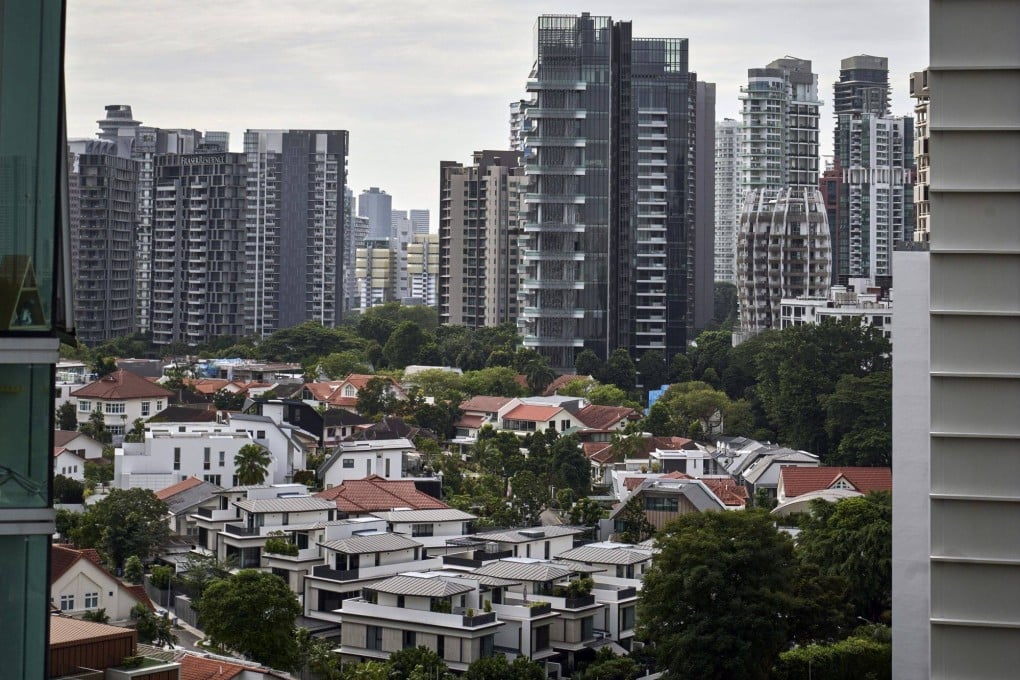
Singapore’s residential market reflects the city state’s distinctive approach to urban living. Homes are often located close to transport networks, commercial areas, recreational spaces and established communities, allowing residents to combine different parts of daily life within a relatively compact environment.
For property buyers, this creates an opportunity to choose not just a type of home, but a particular style of living. Some people prefer a lively environment surrounded by restaurants and shopping destinations, while others may look for a quieter residential setting with more emphasis on greenery and privacy.
Understanding this difference can make the property search more focused.
Urban Living Is More Than a Central Address
Living in an urban environment does not simply mean being close to the city centre.
A well-planned residential district can offer its own collection of services and destinations, allowing residents to complete many everyday activities without travelling long distances.
This might include grocery shopping, dining, exercise, recreation and access to public services.
The result is a lifestyle where convenience comes from the relationship between a home and its surrounding neighbourhood.
One Chuan Grove and Residential Convenience
One Chuan Grove can be considered in the context of the established Chuan Grove and Lorong Chuan area.
For potential homeowners, researching the wider surroundings can provide useful information about the residential lifestyle associated with the location.
Rather than concentrating only on the property itself, buyers can explore nearby facilities and determine how they fit into their regular routine.
This can be especially useful for households that want a balance between residential surroundings and access to everyday conveniences.
Understanding Personal Priorities
There is no single definition of an ideal urban home.
A person who works long hours may appreciate convenient access to transport and food options. Someone who works remotely may have different priorities, such as interior space and nearby cafés or recreational areas.
Families may require a combination of educational facilities, supermarkets, healthcare services and outdoor spaces.
The first step is therefore to identify which aspects of the surrounding environment matter most.
Once these priorities are established, comparing different residential locations becomes easier.
The Appeal of Established Neighbourhoods
Established neighbourhoods can offer a sense of familiarity that newer districts may still be developing.
Existing shops, restaurants, services and community facilities can form part of the local environment before a buyer even moves in.
For property shoppers, this can make it easier to understand what everyday life might look like.
However, established areas can also vary significantly from one street to another. Buyers should therefore explore the immediate surroundings instead of making assumptions based on the general reputation of a district.
River Opus and the River Valley Environment
River Opus is situated in River Valley, an established urban residential area associated with the Singapore River and nearby lifestyle destinations.
The wider surroundings include places such as Great World and Robertson Quay, offering a mixture of shopping, dining and leisure options.
This provides an example of how a residential address can be closely connected to an active urban environment.
For potential residents, the important question is how these surroundings correspond with their own preferences and routines.
The Value of Having Choices Nearby
One advantage of living in an established urban district is having alternatives.
Residents may have different options for dining, shopping or recreation rather than relying on a single destination.
This variety can become particularly useful as routines change.
A resident might visit a nearby supermarket during the week, choose a restaurant at the weekend and use local recreational areas at another time.
Convenience therefore comes from having suitable choices rather than simply having the largest number of facilities.
Considering the Pace of the Neighbourhood
Urban environments can have different levels of activity.
Some streets remain primarily residential, while others become busier because of shops, restaurants or transport facilities.
Buyers should think about the atmosphere they prefer.
People who enjoy activity may appreciate being close to busy lifestyle destinations. Others may prefer a home located slightly away from commercial activity.
Visiting the area during both daytime and evening hours can provide a clearer understanding of its character.
Looking at Property as Part of a Larger Environment
A condominium is only one component of a residential lifestyle.
The surrounding streets, local businesses, public spaces and transport connections all contribute to the experience of living there.
This is why neighbourhood research deserves the same attention as reviewing a unit’s interior features.
For someone researching One Chuan Grove, understanding the surrounding Chuan Grove environment can help put the residential development into a broader context.
For someone exploring River Opus, the River Valley setting provides another example of how nearby urban destinations can influence the character of residential living.
A Practical Way to Explore a Location
Before making a property decision, buyers can spend several hours exploring the neighbourhood.
Walk around the surrounding streets, locate essential services, observe pedestrian activity and identify places that could become part of a normal routine.
It can also be helpful to imagine an ordinary weekday rather than a holiday.
Where would breakfast come from? How would groceries be purchased? What would the evening commute look like? Where could residents exercise or relax?
These simple questions can reveal whether the environment fits the household.
Final Thoughts
Singapore’s urban residential lifestyle is shaped by the connection between private homes and the surrounding city.
A property can provide comfortable interiors, but the neighbourhood determines many of the experiences that take place outside the front door.
By considering daily routines, local amenities, neighbourhood atmosphere and accessibility, buyers can develop a more complete understanding of different residential options.
The most useful research is personal and practical. Instead of simply asking what a property offers, buyers can consider what the surrounding area adds to their everyday lives.