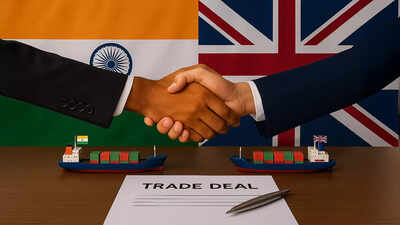
In the ever-shifting terrain of global commerce, trade agreements serve as the keystone of economic diplomacy. They shape the flow of goods, services, and capital across borders. In today’s digitized, hyperconnected economy, businessnews global trade coverage is not just essential—it’s imperative for understanding how international relations, supply chains, and market access are evolving.
The Pulse of Global Trade
At its core, global trade deals determine how countries collaborate or compete. They dictate tariffs, import-export regulations, and the standards for goods crossing borders. In the past decade, trade pacts have transcended basic commodity exchanges. They now encompass digital goods, intellectual property, and environmental standards.
Recent businessnews global trade headlines spotlight monumental negotiations, from the Regional Comprehensive Economic Partnership (RCEP) in Asia to the reformation of NAFTA into the United States-Mexico-Canada Agreement (USMCA). Each of these deals carries ripple effects, influencing not only the countries involved but also the multinational corporations and SMEs navigating these frameworks.
Strategic Alliances Beyond Borders
Modern trade agreements aren’t just about economics—they’re instruments of geopolitical leverage. Nations use them to strengthen alliances, secure rare resources, and access strategic technologies. Take, for instance, the EU’s trade deal with Mercosur. This pact, covering over 750 million people, exemplifies a geopolitical play as much as a commercial one.
Businessnews global trade updates often illustrate how these deals are used to rebalance power in the face of rising economic nationalism. The growing trend of “friendshoring”—shifting supply chains to allied countries—further underscores how political alignment now plays a vital role in trade strategy.
Digital Trade: The New Frontier
As e-commerce, cloud computing, and fintech transcend national borders, digital trade agreements have emerged as pivotal frameworks. Countries are negotiating how to tax, regulate, and protect data flowing between jurisdictions. Agreements like the Digital Economy Partnership Agreement (DEPA) among Singapore, Chile, and New Zealand are leading examples.
These arrangements govern everything from data localization policies to cross-border e-invoicing standards. The focus is no longer just physical goods—it’s about bytes, bandwidth, and blockchain. Businessnews global trade analysts increasingly emphasize that digital clauses within broader trade pacts may become more impactful than traditional tariff negotiations.
The Supply Chain Reconfiguration
COVID-19 and the Russia-Ukraine conflict exposed deep vulnerabilities in global supply chains. As a result, nations and businesses are rethinking trade dependencies. Trade pacts are now being structured not only for economic growth but also for resilience.
Recent moves by the U.S. and its allies to secure semiconductor supply chains illustrate this shift. Trade deals are being customized to ensure redundancy, diversify sourcing, and reduce over-reliance on any single region. In this context, businessnews global trade coverage serves as a barometer for how countries are building economic fortresses through strategic commerce.
Emerging Economies and Trade Liberalization
Many developing nations are no longer passive recipients in trade deals—they’re architects. With Africa’s Continental Free Trade Area (AfCFTA), the continent is building a unified market that could rival some of the world’s largest economic blocs. Similarly, Latin American nations are recalibrating trade norms to boost inter-regional commerce.
This shift is redefining trade narratives. Countries once marginalized in global trade now have a seat at the table. As businessnews global trade sources highlight, the rise of regional integration projects suggests a decentralization of trade power traditionally held by the West.
Corporate Implications and Market Movements
For multinational corporations, the outcome of trade negotiations can make or break market strategies. A favorable tariff agreement can unlock billions in revenue, while a trade dispute can sever access overnight. Companies are now embedding trade intelligence into their operational risk assessments.
Auto manufacturers monitor rules-of-origin clauses. Tech firms watch digital services taxes. Agricultural businesses track phytosanitary standards. Each sector leans heavily on businessnews global trade reporting to anticipate shifts and recalibrate supply chains accordingly.
Sustainability and Ethical Trade Provisions
Environmental and labor standards are no longer peripheral topics in trade talks. They are now front and center. The EU’s Carbon Border Adjustment Mechanism (CBAM), for instance, aims to prevent carbon leakage by taxing imported goods based on their carbon footprint. This forces exporters to adapt or lose access.
Ethical trade—ensuring products are not made with forced labor or environmentally damaging methods—is becoming a prerequisite in many agreements. The intersection of climate policy and trade law is where future deals will likely evolve.
Businessnews global trade coverage increasingly focuses on these progressive clauses, signaling a redefinition of what constitutes “fair trade” in the 21st century.
Trade agreements have transformed from dry policy documents into dynamic instruments shaping the global economy. They determine the rules of engagement for nations and corporations alike. As commerce becomes more digitized, politicized, and sustainability-focused, the architecture of global trade continues to evolve at an unprecedented pace.
For business leaders, policymakers, and investors, staying abreast of businessnews global trade developments is not just a strategic advantage—it’s a necessity. The deals inked today will sculpt the economic realities of tomorrow.